

 0 Comments

Cleaning your washing machine with vinegar is one of those brilliantly simple and effective tricks you’ll wish you knew sooner. Just run a hot water cycle with four cups of distilled white vinegar in an empty top-loader, or two cups if you have a front-loader. This simple step works wonders to break down soap scum and mineral deposits, leaving your washer fresh and clean.
Why Your Washer Smells and How Vinegar Can Help
Have you ever opened your washing machine door and been hit with a less-than-fresh, musty odor? Oh, I’ve been there! It’s one of the most common complaints I hear, and it’s so frustrating when the very machine meant to clean your clothes is smelly itself.
That stubborn odor is usually a sign that things have gotten a little grimy inside. Over time, a combination of soap scum, fabric softener residue, hard water minerals, and lint can build up in the hidden nooks and crannies of your washer. This creates the perfect damp, dark environment for mildew to thrive, and that’s where the smell comes from.

The Magic of Simple Vinegar
Before you reach for a harsh chemical cleaner, let me tell you my secret weapon, which is probably already in your pantry: plain old distilled white vinegar! It’s my go-to solution for so many cleaning tasks, and it works wonders on a smelly washer.
Here’s why it’s so effective:
- It Dissolves Buildup: The natural acidity in vinegar is fantastic at breaking down and dissolving stubborn soap scum and mineral deposits from hard water.
- It Neutralizes Odors: Instead of just masking bad smells, vinegar actually neutralizes the alkaline particles that cause them, leaving your machine smelling genuinely clean.
- It’s Gentle and Affordable: You don’t need to spend a lot of money on specialty cleaners. A simple jug of vinegar is budget-friendly and safe for your machine when used correctly.
Vinegar acts as a natural solvent to cut through the gunk, transforming a grimy machine into a fresh one. This same principle is why it’s so great at tackling other laundry issues, too. In fact, if you’re also struggling with musty towels, I’ve shared my simple, three-step method to fix smelly towels using this very same powerhouse ingredient.
For me, the best part is knowing I’m using a simple, natural product to get a deep clean. It’s a method that has been a staple in my laundry room for years because it’s easy, cheap, and it just plain works.
Gathering Your Simple Cleaning Supplies
Before we roll up our sleeves, let’s get our supplies together. The best part about this whole process? You probably have everything you need right in your kitchen pantry! No need to run out for fancy, expensive cleaners to get your machine sparkling.
We’re keeping things simple and natural, using a couple of powerhouse ingredients that are incredibly effective and won’t break the bank.

Your Cleaning Toolkit
Here’s the short list of what you’ll need to banish that grime and get your washer smelling fresh again:
- Distilled White Vinegar: You’ll want about four cups of this. I always buy the big jug because it’s so useful for countless cleaning projects. I stick with distilled white vinegar since it’s totally clear and won’t leave any color behind.
- Baking Soda: Grab about a cup of this stuff. It’s a fantastic gentle abrasive for scrubbing away any gunk the vinegar loosens, and it’s a brilliant deodorizer for soaking up those lingering musty smells.
- Microfiber Cloths: A couple of soft microfiber cloths are perfect for wiping everything down. They do an amazing job of grabbing onto dirt and lint without leaving any fluff behind, which is exactly what we want.
- A Small Scrub Brush: An old toothbrush or a little detail brush will be your best friend here. It’s perfect for getting into those tight, hard-to-reach spots like the detergent dispenser or around the door seal.
Having everything laid out and ready to go before you start makes the whole process feel so much quicker and easier. It’s my little secret to making any cleaning task feel less like a chore!
Baking soda is a key player, but if you enjoy making your own laundry supplies, you might also want to look into how to make your own washing soda, which is another amazing laundry booster.
With these simple items in hand, you’re all set to tackle that grime. It’s truly amazing what these basic household staples can accomplish

Cleaning Your Top-Loading Washing Machine
Alright, if you’ve got a trusty top-loader, it’s time to give it the deep clean it deserves! Over the years, I’ve perfected this method, and it’s my personal, field-tested way to get the job done right. It’s so simple and uses just those basic supplies we gathered.
More Ideas You'll Love

First things first, you’ll want to start with an empty machine. Set your washer to its hottest water setting and select the largest load size available. My machine has a “super” or “bulky” setting that works perfectly for this. Go ahead and let the tub fill completely with that hot water.
Once it’s full, pour four cups of distilled white vinegar directly into the water. Close the lid and let the machine agitate for just a few minutes. This initial mix is key to making sure the vinegar is evenly distributed throughout the tub for a thorough clean.
The All-Important Soaking Step
Now, here comes the part that I think makes all the difference—the soak! After letting it agitate for a minute or two, pause the cycle. You want to let that hot vinegar water sit in the drum for at least a full hour.
This soaking time is my secret weapon. It gives the vinegar’s natural acidity plenty of time to work its magic, dissolving all the stubborn soap scum, mineral deposits, and hidden gunk that has built up on the drum and in the hoses. Rushing this step means you won’t get nearly the same sparkling results!
While the machine is soaking, I like to make the most of that time. I’ll dip one of my microfiber cloths directly into the vinegar water in the tub and use it to wipe down all the exterior and accessible interior surfaces.
Don’t forget these key spots:
- The top rim of the washer drum
- The inside and outside of the lid
- The central agitator (if you have one)
- The bleach and fabric softener dispensers
These areas can get surprisingly grimy, and giving them a quick wipe-down now helps get everything clean at once. That old toothbrush is perfect for scrubbing any gunk out of the dispenser trays.
This is really where the deep cleaning happens. That hour-long soak loosens grime you can’t even see, which is why your machine will smell so much fresher afterward. It’s a simple trick, but it’s incredibly effective.

Finishing the Cleaning Cycle
After the hour is up, close the lid and resume the wash cycle. Let the machine run its full course, draining all that grimy, vinegar-infused water away. It’s so satisfying knowing all that buildup is finally gone!
But we’re not quite done yet. For the final, odor-busting touch, I always run one more cycle. This time, add one cup of baking soda directly into the empty washer drum.
More Ideas You'll Love

Run another cycle using the same settings: the hottest water and the largest load size. The baking soda works as a gentle abrasive to scrub away any remaining residue that the vinegar loosened. More importantly, it helps neutralize any lingering odors, leaving your machine smelling completely fresh and clean—not like a salad!
Once this final cycle is complete, your top-loader will be sparkling. I always recommend leaving the lid open for a few hours afterward to let the drum air dry completely. This is a great habit to get into after every load of laundry, as it helps prevent mildew from growing in the first place.
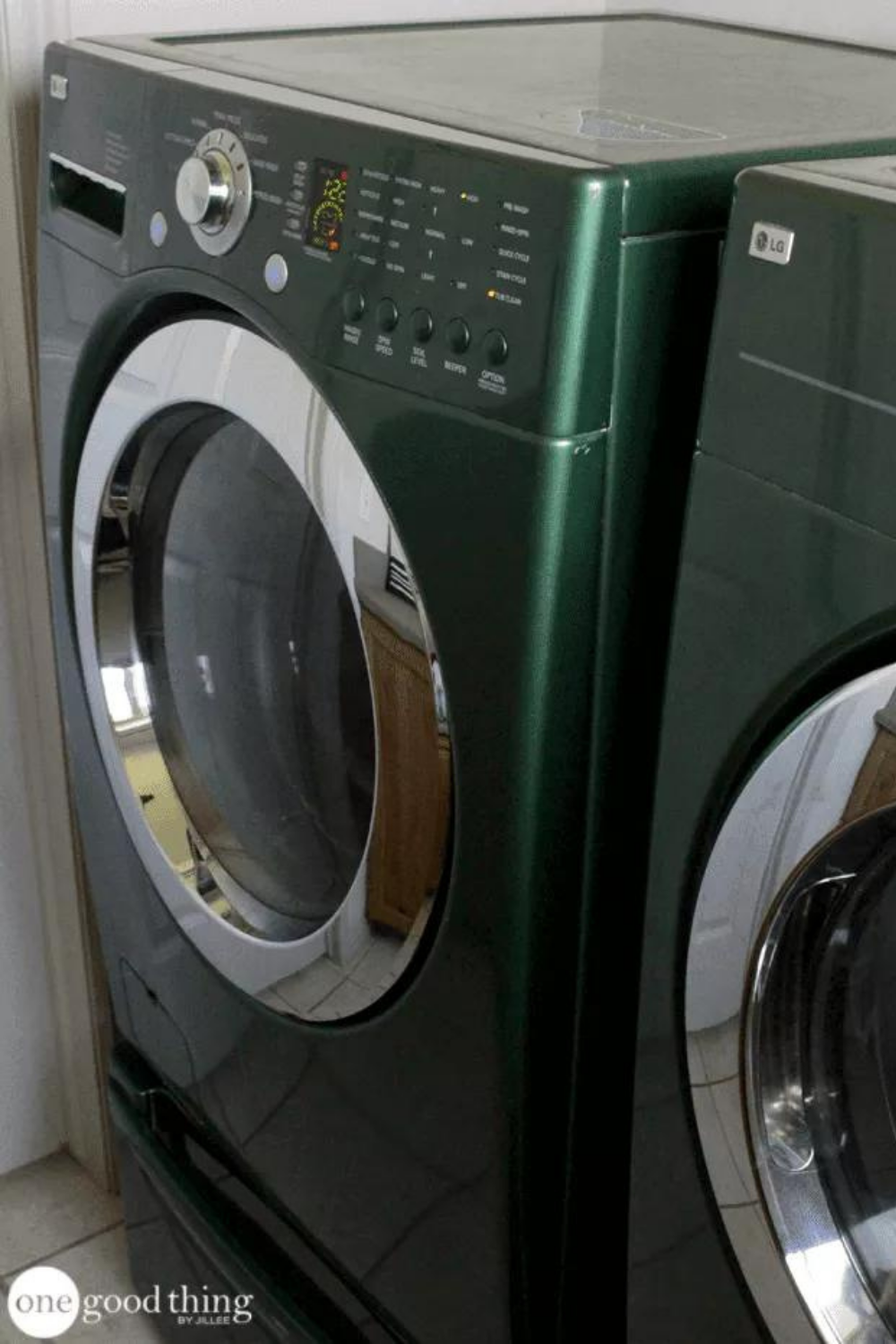
Deep Cleaning Your Front-Loading Washing machine
Front-loading washing machines are fantastic for saving water and energy, but oh, that rubber door seal! It can be a real magnet for grime and mildew if you’re not careful. I’ve developed a foolproof plan over the years to tackle it and keep that musty smell from ever taking hold. It’s one of the most common trouble spots, but with a little attention, it’s easy to manage.
The first thing I always do is give the inside of the drum a quick wipe-down. Just dampen a soft microfiber cloth with a bit of white vinegar and clean away any visible lint or residue. This simple step preps the machine for the deeper cleaning to come and ensures you’re starting with a fresh surface.

Tackling the Gasket and Dispenser
Now, for what I consider the most crucial part of cleaning a front-loader: the gasket. That flexible rubber seal is designed to keep water from leaking out, but its folds are the perfect place for moisture, hair, lint, and soap scum to get trapped. This is almost always where that funky, musty odor originates!
Gently pull back the rubber seal with your fingers. You might be surprised by what you find hiding in there—I’ve discovered everything from loose change to a missing sock! Use your vinegar-dampened cloth to meticulously wipe out all the gunk. For any stubborn spots, an old toothbrush dipped in vinegar works wonders to scrub them away. Be thorough here; it makes a huge difference.
Once the gasket is sparkling clean, it’s time to address the detergent dispenser drawer. This little compartment can get clogged with sticky, built-up detergent and fabric softener. In most machines, you can easily slide the entire drawer out.
- Soak and Scrub: Fill your sink with warm water and about a cup of white vinegar.
- Let It Sit: Submerge the drawer and all its removable parts in the vinegar water for about 15-20 minutes.
- Brush Clean: After soaking, use your scrub brush or toothbrush to remove any softened gunk. Rinse it thoroughly with clean water and let it air dry before popping it back in.
This process ensures that your detergents and softeners are flowing freely and not contributing to any buildup inside your machine. If you’re dealing with stubborn mold in these areas, you might also find some helpful tips in my guide on how to get rid of mold naturally around the house.
Honestly, paying attention to the gasket and the dispenser drawer is about 90% of the battle with front-loader smells. If you only have time for a quick clean, focus on these two areas.
Running the Main Cleaning Cycle
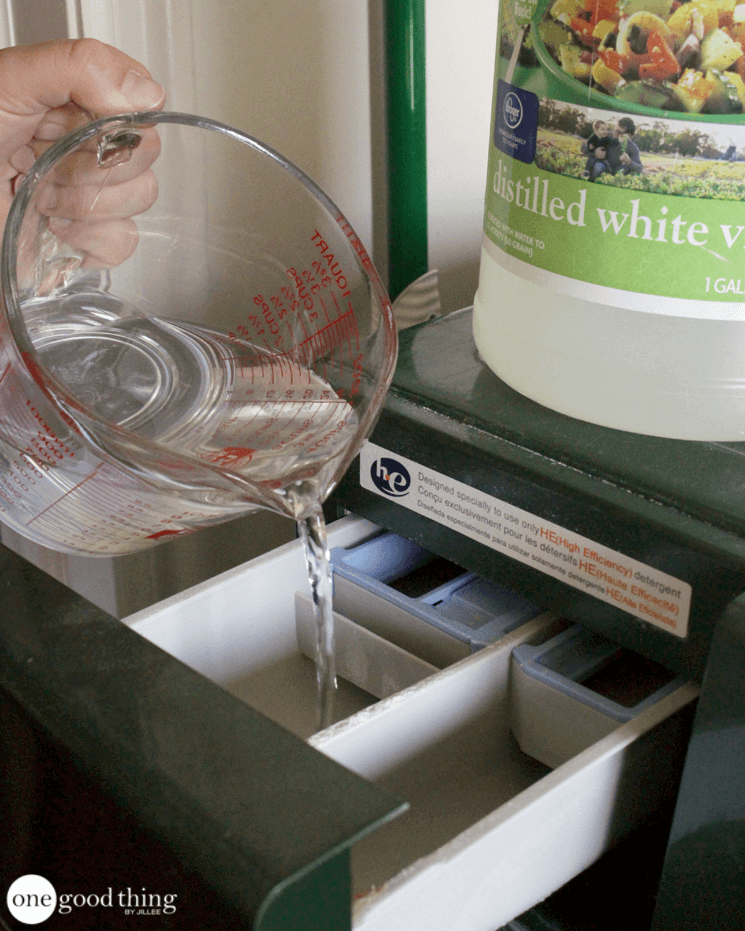
With the details handled, it’s time for the final step. Make sure the drum of your washer is empty, then select the “clean cycle” or “tub clean” setting on your washer. Add two cups of vinegar to the detergent tray.
(If your washer doesn’t have a cleaning cycle, just select the hottest and largest load settings.)
The hot water and vinegar combination will work its way through the entire system, dissolving mineral deposits, flushing out loosened grime from the hoses, and neutralizing any lingering odors. Once the cycle finishes, the inside of your machine will be fresh and sparkling clean.
My very best tip for preventing those smells from returning is so simple: always leave the washer door slightly ajar after you finish a load of laundry. This allows air to circulate and the drum to dry out completely, which stops mildew from getting a foothold in the first place. It’s a tiny habit that makes a world of difference.
What To Know Before Using Vinegar In Your Washer
Oh, you know I just love cleaning with vinegar! It’s my go-to for so many things around the house, but it’s always smart to use it wisely, especially when it comes to our appliances.
While vinegar is a true powerhouse for breaking down yucky mineral deposits and soap scum, it’s good to be clear on what it does and doesn’t do.
One of the most important things to understand is that vinegar isn’t an EPA-registered disinfectant. This means that while it’s fantastic for general cleaning and deodorizing, it doesn’t kill certain germs the way a commercial disinfectant does. The US Environmental Protection Agency has specific requirements for disinfectants, and vinegar doesn’t quite meet them for all types of pathogens, even though it can handle some common ones. You can discover more insights about this on the Clorox website.
You might also wonder about the rubber parts in your machine, like the seals and hoses. In all my years of using this method, I’ve found that a diluted vinegar solution for an occasional deep clean is perfectly safe for most modern washers.
However, I wouldn’t recommend using a large amount of vinegar in every single wash. Think of it as a periodic deep-cleaning treatment rather than a daily laundry additive to avoid any potential long-term wear on those sensitive rubber seals.
This occasional use keeps everything fresh without overdoing it. And don’t worry about your vinegar going bad; I’ve written a whole post explaining how long your cleaning vinegar will last.
Answering Your Top Cleaning Questions
Over the years of sharing my favorite household tips, I’ve received so many wonderful questions about this vinegar cleaning method. It makes me so happy to see how many of you are ready to give it a try!
I’ve gathered the most common questions right here to give you all the confidence you need to get that washer sparkling.
How Often Should You Deep-Clean Your Washer?
I generally recommend doing this routine about once every one to three months.
If you have a big family and your machine is running almost every day, you might lean closer to once a month. For smaller households, every few months should be perfect.
Will Other Kinds of Vinegar Work?
While I love apple cider vinegar for other things, I always, always stick with distilled white vinegar for this job. The reason is simple: it’s completely colorless and won’t leave behind any residue or risk staining the inside of your machine.
People also worry about their clothes smelling like a salad after cleaning the washer. I promise, you have nothing to worry about! The machine’s rinse cycle is very thorough and will wash away any lingering vinegar scent, leaving behind nothing but freshness. Your next load of laundry will come out smelling clean, not like a pickle jar!
Is This Method Safe for All Washing Machines?
Yes, it is! Whether you have a traditional top-loader, a newer high-efficiency (HE) top-loader, or a front-loader, this vinegar cleaning process is perfectly safe for an occasional deep clean.
HE machines, in particular, can be prone to buildup, so this is a great way to keep them running smoothly.
Keeping all your appliances in top shape can feel like a lot to remember, which is why I put together a handy guide. You can learn more about my recommended cleaning schedules in my article on how often you should clean your appliances.
I hope these quick answers have cleared things up and shown you just how easy it is to keep your washing machine sparkling clean and odor-free
How often do you clean your washing machine?


